


The fashion world's quiet luxury movement has found its way into home design, and traditional furniture couldn't be more perfectly positioned. While logos and flashy branding dominated the 2010s, today's discerning homeowners are gravitating toward pieces that whisper rather than shout their quality.
Traditional furniture styles like Georgian, Chippendale, and Regency have always embodied this philosophy. A handcrafted mahogany dining table doesn't need a designer's signature emblazoned across its surface. The quality needs no introduction through impeccable joinery, carefully selected wood grain, and construction techniques passed down through generations of craftsmen.
What Defines Quiet Luxury in Furniture

Quiet luxury in furniture centers on three core principles: exceptional materials, flawless craftsmanship, and timeless design. It's the complete opposite of trend-driven pieces that announce their designer pedigree through obvious branding or attention-seeking silhouettes.
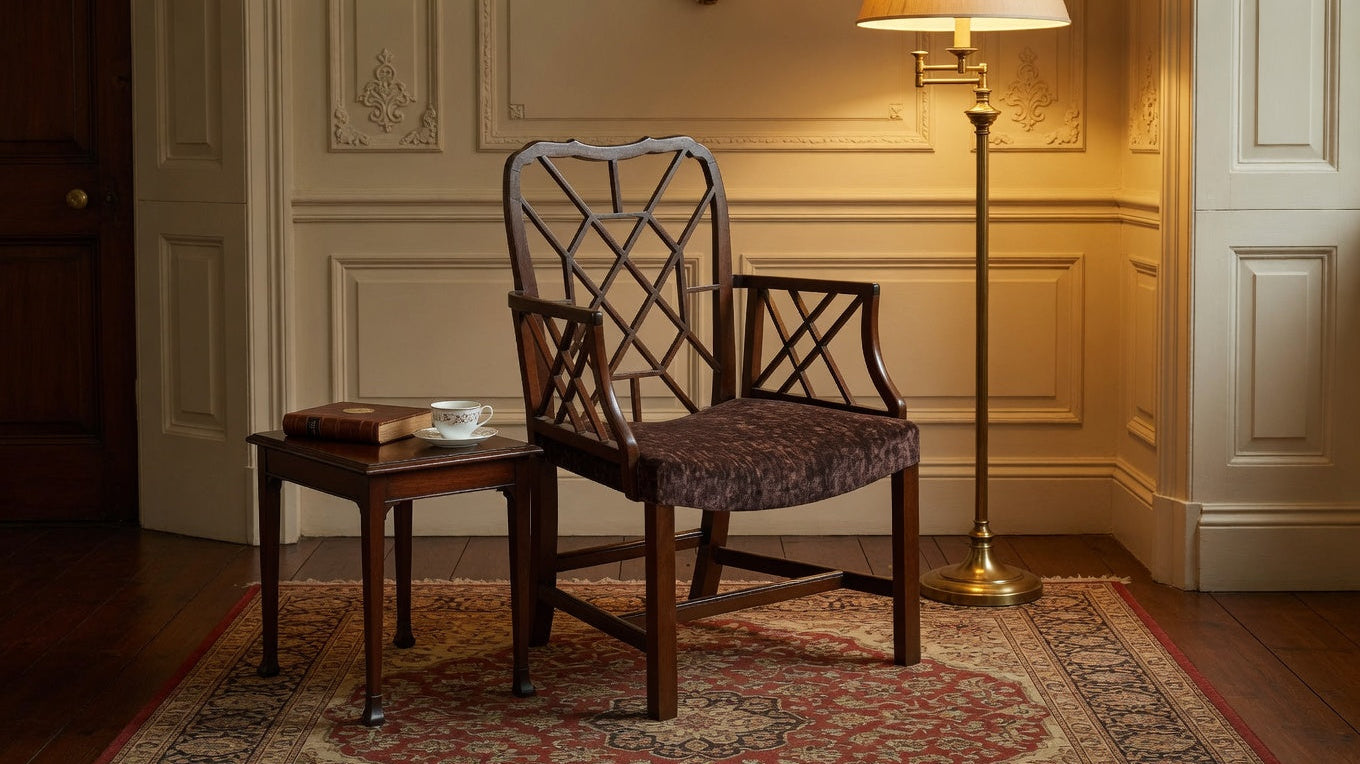
Think of a perfectly proportioned Chippendale dining chair. The intricate fretwork and ribbon-back carving demonstrate master-level craftsmanship, but there's no logo stamped on the wood. The chair's elegance comes from its proportions, its hand-selected mahogany, and the skill required to execute those delicate curves.
Traditional furniture makers understood this concept centuries before it became a marketing term. English cabinetmakers like Thomas Chippendale built their reputations on quality and design innovation, not brand recognition. Their pieces were identified by connoisseurs through construction details and design elements, not corporate signatures.
Materials That Matter
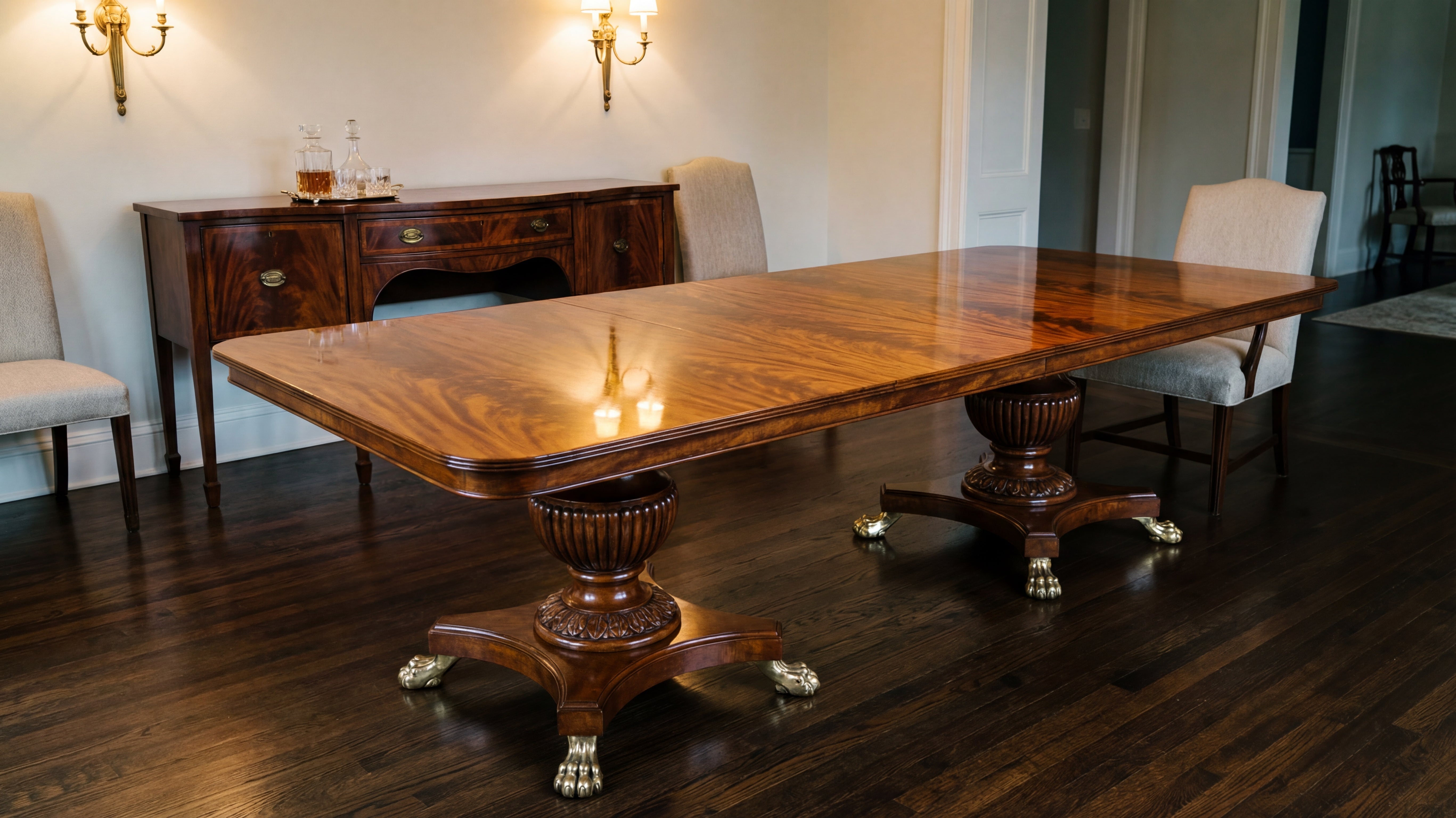
Solid mahogany furniture exemplifies quiet luxury perfectly. The wood itself tells a story of quality without needing explanation. Flame mahogany's natural figure creates visual interest that no amount of surface decoration could match. The weight, the grain patterns, the warm patina that develops over decades: these qualities can't be faked or branded.
Premium hardware plays a crucial role too. Hand-forged brass fittings on a traditional secretary desk cost significantly more than mass-produced alternatives, but they'll function smoothly for centuries. The difference is immediately apparent to anyone who opens a drawer or turns a key, yet there's no logo advertising this superiority.
Traditional Styles That Embody Quiet Luxury

Georgian Furniture: The Foundation of Understated Elegance
Georgian furniture represents the height of quiet luxury principles. Pieces from this era prioritized perfect proportions and exceptional construction over flashy ornamentation. A Georgian breakfront bookcase commands attention through its architectural presence and rich wood tones, not through obvious designer touches.
The Georgian approach to luxury was fundamentally different from today's logo-heavy culture. Wealthy families invested in furniture that would serve multiple generations, choosing pieces based on construction quality and material excellence rather than brand recognition. This mindset aligns perfectly with modern quiet luxury sensibilities.
Regency Refinement
Regency furniture takes Georgian principles and adds subtle decorative elements like brass inlay, ebony stringing, and carefully placed gilt bronze mounts. These details demonstrate craftsmanship and quality without overwhelming the overall design. A Regency console table in the entrance hall makes an impression through its refined proportions and rich materials, not through obvious branding.
The period's emphasis on classical proportions and high-quality materials created furniture that feels both luxurious and restrained. Modern interpretations of these styles offer the perfect solution for homeowners seeking quiet luxury pieces that will remain relevant for decades.
Creating Quiet Luxury Spaces with Traditional Furniture
The Home Office Library
Nothing says quiet luxury like a properly appointed home office library. Traditional mahogany bookcases create an atmosphere of serious scholarship and success without needing any branded elements. The quality is communicated through the solid construction, the way the wood grain flows across matched panels, and the precision of the joinery.
A partners desk in rich mahogany anchors the space with its commanding presence and practical functionality. The leather writing surface, brass corner guards, and solid wood construction communicate luxury through substance rather than surface treatments. Clients and colleagues immediately understand they're in a serious professional's workspace, not because of any logos, but because of the inherent quality of the surroundings.
The Dining Room
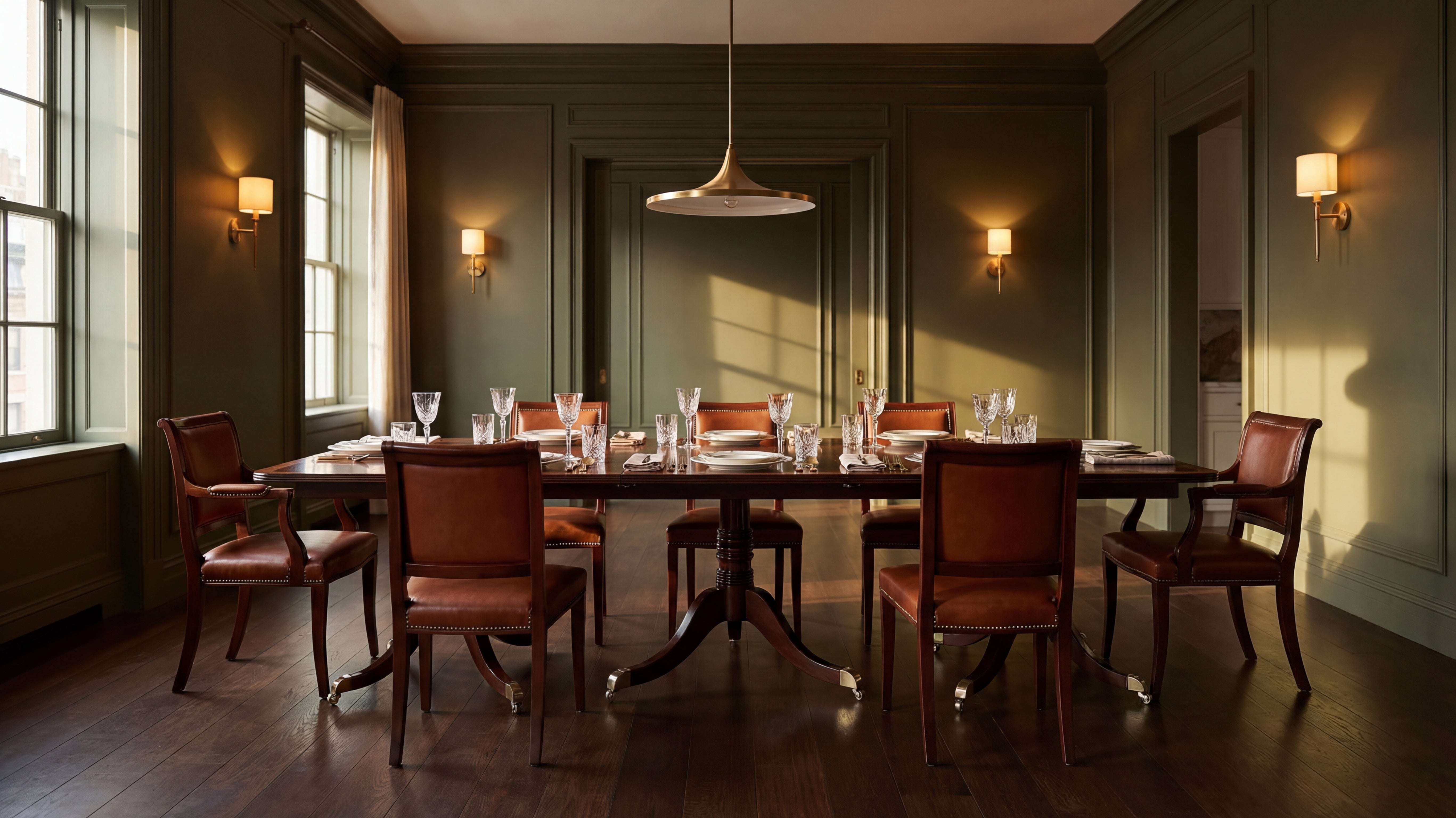
A dining table that lasts 100 years represents the ultimate in quiet luxury. Instead of chasing trends or displaying designer names, these pieces focus on timeless proportions and construction methods that have proven their worth over centuries.
An expandable mahogany dining table with hidden leaves demonstrates thoughtful design and engineering excellence. The fact that it can accommodate both intimate dinners and large gatherings without compromising its appearance shows the kind of intelligent luxury that quiet luxury advocates appreciate.
Living Spaces That Whisper Quality
Traditional console tables exemplify how functional pieces can embody quiet luxury principles. A flame mahogany console with subtle brass accents provides elegant storage and display space without competing for attention with artwork or accessories. The piece's quality is evident in its construction and materials, not in any surface branding.
Seating follows the same principles. A properly constructed Chesterfield sofa in hand-selected leather requires no designer label to communicate its quality. The deep button tufting, the carefully rolled arms, and the solid hardwood frame speak to craftsmanship traditions that predate modern branding entirely.
The Psychology of Logo-Free Luxury
Today's luxury consumers are increasingly sophisticated and confident in their choices. They don't need external validation through obvious branding to feel secure in their purchases. In fact, many find overt logos presumptuous or insecure.
Traditional furniture appeals to this mindset because it relies on intrinsic quality rather than extrinsic branding. A hand-carved mahogany four-poster bed doesn't need a designer's signature to communicate its value. The craftsmanship is evident in every joint, every curve, and every surface. This approach attracts buyers who understand quality and want their homes to reflect genuine taste rather than trendy consumption.
Investment Mentality
Quiet luxury buyers think in terms of decades, not seasons. They're investing in pieces that will serve their families for generations, not making style statements that will feel dated in five years. Traditional furniture naturally aligns with this approach because the styles have already proven their staying power over centuries.
The absence of logos actually enhances the investment value. While branded pieces can become associated with specific time periods or fade from fashion relevance, well-made traditional furniture maintains its appeal across changing design trends.
Craftsmanship as the Ultimate Luxury
In an era of mass production and disposable goods, true handcraftsmanship has become the ultimate luxury. Traditional furniture techniques like hand-cut dovetails, mortise and tenon joinery, and hand-applied finishes take significantly more time and skill than modern manufacturing methods.
These techniques create pieces that actually improve with age rather than deteriorating. A solid mahogany dining table develops character and patina over decades of use, while a veneered piece might start showing wear after a few years. This difference in longevity represents true luxury: not the momentary satisfaction of brand recognition, but the lasting pleasure of genuine quality.
The Maker's Mark
Interestingly, the finest traditional furniture makers do sign their work: but in subtle, discrete ways that only connoisseurs notice. A small brass plate in a drawer, initials carved into an interior surface, or construction details that serve as a craftsman's signature. This approach respects both the maker's pride and the owner's preference for quiet refinement.
Sustainability and Quiet Luxury
The quiet luxury movement aligns naturally with sustainability concerns. Instead of constantly updating furniture to follow trends or replace worn-out pieces, quiet luxury advocates invest in heirloom-quality items that serve multiple generations.
Traditional furniture construction supports this philosophy through both materials and methods. Solid wood furniture can be refinished and restored indefinitely, while modern composite materials typically require complete replacement. The initial investment in quality pays dividends over decades of use.
FSC-certified mahogany allows modern buyers to embrace traditional styles without compromising environmental values. The wood comes from responsibly managed forests, ensuring that luxury doesn't come at the expense of conservation.
Building a Quiet Luxury Home
Creating a quiet luxury aesthetic requires patience and discernment rather than unlimited budgets. The key lies in choosing fewer, better pieces rather than filling spaces with trendy items. Each piece should earn its place through inherent quality and functional value.
Start with anchor pieces like a solid wood dining table or a well-constructed sofa. These foundational elements establish the room's quality level and serve as reference points for additional purchases. Focus on materials, construction, and proportions rather than stylistic details that might feel dated in a few years.
Traditional styles provide an excellent framework because they've already proven their longevity. Georgian, Regency, and Chippendale pieces look as relevant today as they did when first created. This timelessness represents the ultimate achievement in quiet luxury: creating beauty that transcends temporary trends.
The Future of Furniture Luxury
As consumers become more sophisticated and environmentally conscious, the quiet luxury approach will likely become even more relevant. The desire for authenticity, quality, and longevity drives people away from disposable goods and toward investment pieces.
Traditional furniture makers who focus on genuine craftsmanship rather than brand building are perfectly positioned for this shift. Their pieces offer the substance that quiet luxury consumers value: exceptional materials, proven construction methods, and timeless design.
The movement away from obvious luxury signaling toward subtle quality markers represents a maturation of consumer taste. Traditional furniture has always embodied these values, making it the perfect choice for today's discerning homeowners who want their spaces to reflect genuine refinement rather than temporary fashion statements.
Whether you're furnishing a home office that needs to command respect, a dining room that will host decades of memorable gatherings, or living spaces that should feel both comfortable and distinguished, traditional furniture offers quiet luxury at its finest. No logos required: just enduring quality that needs no introduction.
Ready to explore quiet luxury furniture for your home? Browse our collection of handcrafted traditional pieces that embody the principles of understated elegance and exceptional quality.